Tirumala Tirupati Devasthanams (TTD) is adding a new digital system to manage maintenance and sanitation across the Tirumala pilgrimage area. Called Nandakam, the platform is being deployed across more than 8,000 residential units as well as key roads and walking routes used by pilgrims.
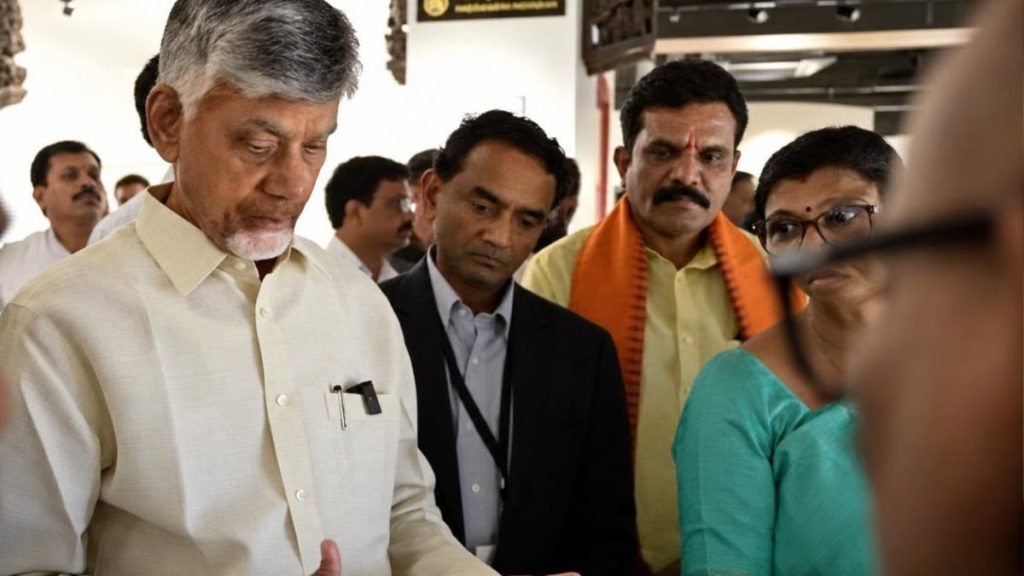
Developed by 3Five8 Technologies, the company behind ADDA.io, Nandakam was formally launched by Andhra Pradesh Chief Minister N. Chandrababu Naidu during the Brahmotsavam celebrations in Tirumala. The platform is part of TTD’s broader Digital Tirumala initiative, which aims to modernise both pilgrim services and the operational systems used by its staff.
Nandakam is essentially a digital inspection and defect-management system. TTD teams can use it to report maintenance problems, assign them to the relevant personnel, track their progress and verify that the work has been completed. This covers issues found during routine inspections as well as complaints related to facilities.
The system is being used by TTD’s Facility Management Services team, which handles maintenance of pilgrim accommodation and facilities. TTD’s Health Department is also using the platform to monitor sanitation-related issues.
The deployment extends beyond residential facilities. Nandakam is also being used to track maintenance and sanitation issues along the ghat roads, Srivari steps and the Alipiri footpath. These are some of the busiest parts of the Tirumala pilgrimage route, making timely identification and resolution of problems particularly important.
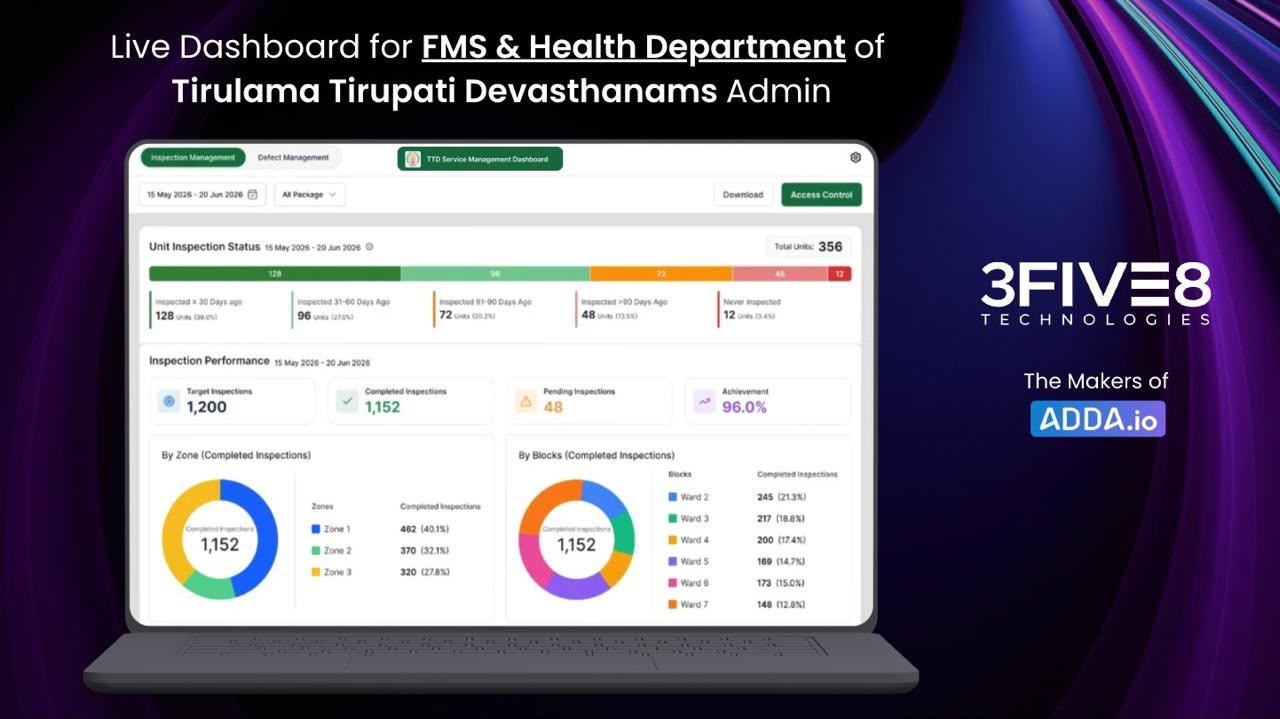
TTD teams can monitor inspections, pending complaints and recurring issues through live dashboards. The system also supports automatic escalation, so unresolved issues can be followed up instead of simply remaining in a pending queue.
According to 3Five8 Technologies, the platform was developed in coordination with TTD engineers and administrators based on day-to-day operational requirements. Manu HV, Senior Product Manager at 3Five8 Technologies, said the aim was to make it easier for teams to report, track and resolve defects across TTD facilities.
The interesting part of Nandakam is not simply that TTD is moving another process from paper to software. The bigger change is the creation of a single system that can provide visibility into what needs attention, who is responsible for it and whether the issue has actually been resolved.
That becomes more useful as the scale increases. Managing thousands of accommodation units and public facilities through disconnected inspection records can make it difficult to identify recurring problems or determine whether complaints are being resolved consistently. A centralised system can give administrators a much clearer picture of where maintenance work is building up and which problems keep appearing.
There is still a difference between digitising a workflow and improving the underlying service. Nandakam can make it easier to report and track an issue, but the final outcome will depend on how quickly teams act on those reports and how consistently TTD uses the data. If the system is used beyond simply closing tickets and is able to identify recurring maintenance and sanitation problems, it could become a more useful operational tool for managing Tirumala at this scale.
Related Posts