
Samsung has introduced its latest flagship smartphone camera sensor, the 200MP ISOCELL HPC. The new sensor brings several major improvements over previous generations, including a new DeepPix pixel architecture, single-frame 16-bit HDR, better low-light performance, and support for high-resolution video recording.
The company says the new sensor is designed to capture more light, reduce image noise, and deliver better dynamic range. While Samsung has not announced any smartphone using the sensor yet, it is expected to debut in premium Android flagships later this year.
Samsung’s new DeepPix technology is the most notable. Instead of simply increasing the megapixel count, Samsung has redesigned the sensor’s pixel architecture to improve how each pixel captures and processes light.
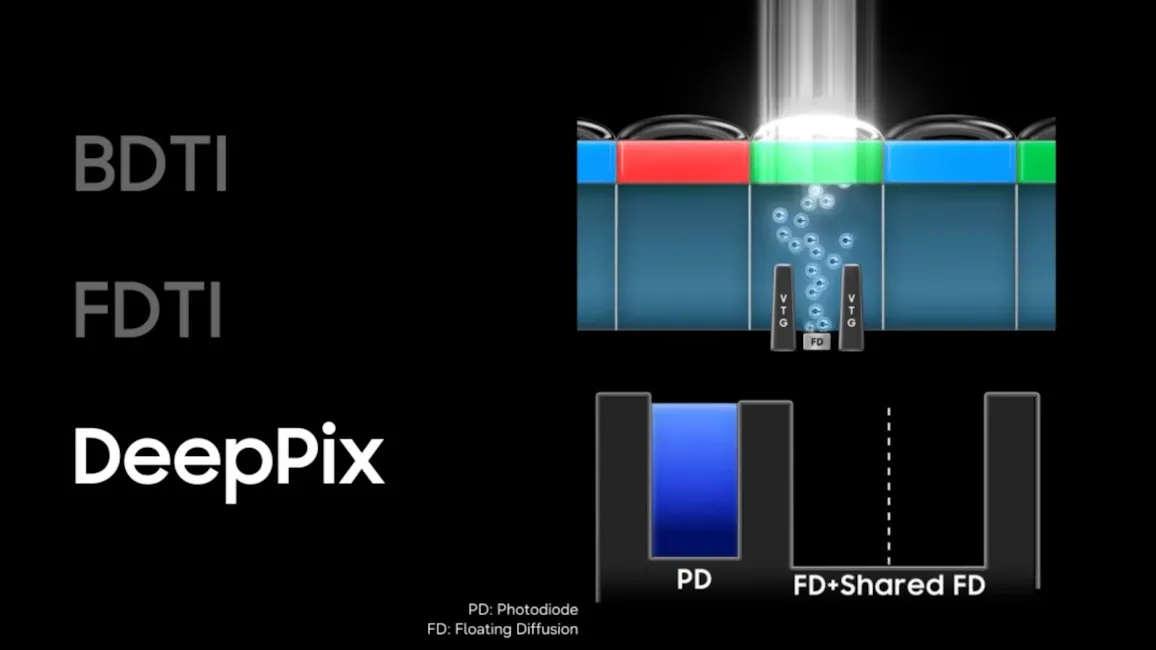
The company has also upgraded its Front Deep Trench Isolation (FDTI) technology. This allows each pixel to hold more light before it reaches saturation. According to Samsung, the new design improves Full Well Capacity (FWC) by around 60% compared to its previous 200MP sensors.
In real-world photography, this should result in brighter photos, improved highlight retention, cleaner shadows, and lower image noise, especially in difficult lighting conditions.
The ISOCELL HPC is also larger than the previous 200MP ISOCELL HP5 sensor. It uses a 1/1.3-inch sensor, giving it more room to capture light and improve image quality.
Another major upgrade is support for single-frame 16-bit HDR. Unlike traditional HDR that combines multiple exposures, the new sensor captures the entire dynamic range in a single shot. This reduces motion artifacts while preserving details in both bright and dark areas.
Samsung claims the technology delivers up to four times richer colour expression compared to conventional HDR imaging. It should also help produce more natural-looking photos in scenes with strong backlighting or high contrast.
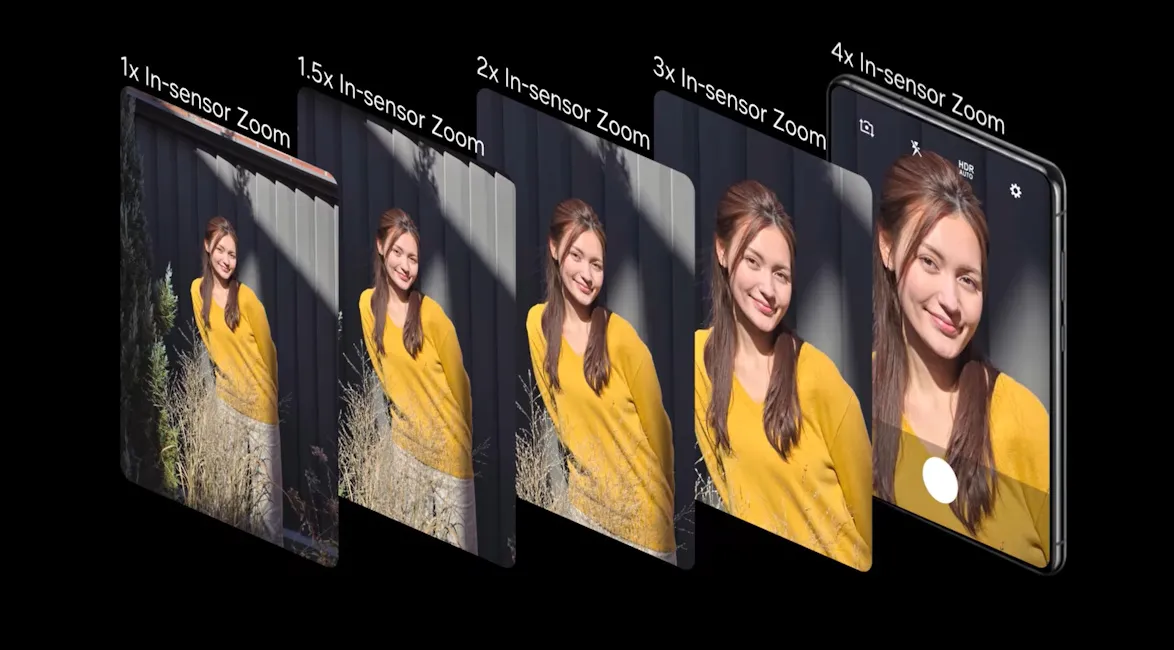
The sensor also supports HDR across multiple zoom levels. Users can capture HDR images from the main 1x view all the way up to 4x in-sensor zoom without losing dynamic range. This is expected to improve photo quality when zooming without relying heavily on digital processing.
The ISOCELL HPC supports recording at up to 8K resolution at 30fps, 4K at 180fps, and Full HD at an impressive 360fps. These modes give smartphone makers more flexibility to offer high-resolution recording and smooth slow-motion videos.
Samsung has also integrated High Precision Microlens (High-P) and High Transmittance ARL (High-T) technologies to improve light transmission and overall optical performance.
Other features include a resolution of 16,384 × 12,288 pixels, Tetra²pixel technology, QDR autofocus, Smart-ISO Pro HDR, and support for multiple RAW formats including RAW10, RAW12, RAW14, and RAW16. These features are likely to appeal to photography enthusiasts who prefer greater editing flexibility.
Samsung has not confirmed which smartphone will be the first to use the new ISOCELL HPC sensor. However, industry rumours suggest that upcoming flagship devices such as the Oppo Find X10 Pro Max and the Vivo X500 series could be among the first to feature it.
The launch also sets up another competition in the flagship camera segment. Samsung’s new sensor is expected to compete with Sony’s 200MP LYT-901, with both sensors likely to power premium Android smartphones arriving later this year.
The announcement shows that smartphone camera innovation is no longer focused only on increasing megapixels. Companies are now investing in better sensor design, improved HDR processing, and advanced light capture. If Samsung’s claims hold up in real-world use, the ISOCELL HPC could become one of the most capable camera sensors to appear in flagship smartphones this year.
Related Posts