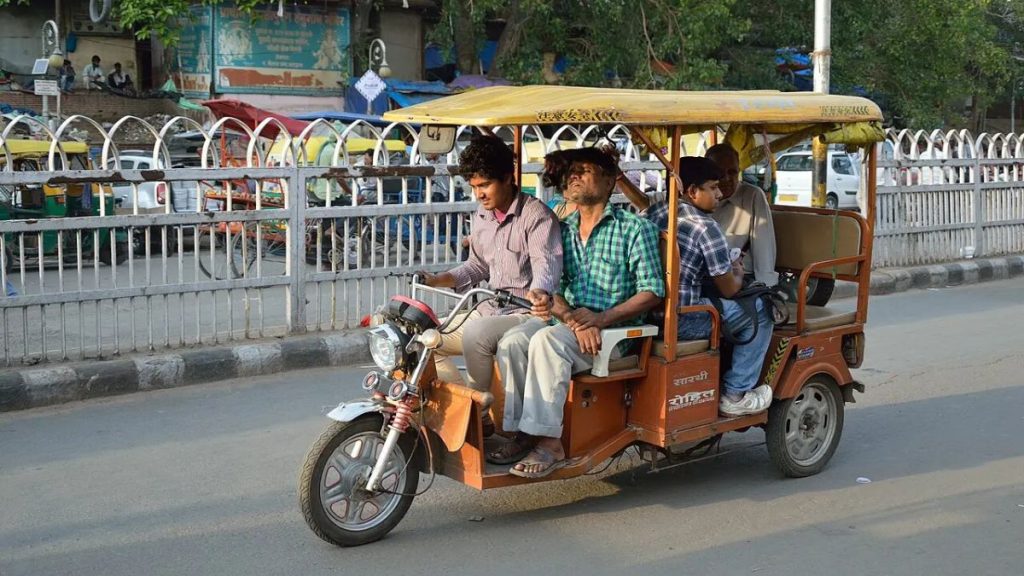
The Indian government has directed Google and Apple to remove three mobile apps that were allegedly being misused to remotely switch off e-rickshaws, sometimes while they were carrying passengers. The move comes after several viral videos showed people disabling electric three-wheelers with just a few taps on their phones, creating chaos on roads and raising serious safety concerns.
The apps, BAT-BMS, Lossigy, and Epoch-i-ion, were originally designed as Battery Management System (BMS) tools. They allow fleet operators and vehicle owners to monitor battery health, track vehicle location, and remotely immobilize vehicles in cases such as theft or loan defaults.
However, authorities found that the same remote shutdown feature was being misused by unauthorized users to stop other people’s vehicles.
The biggest concern was that some e-rickshaws were reportedly being disabled while they were moving with passengers onboard. A sudden loss of power can create dangerous situations on busy roads. It can lead to accidents, traffic congestion, and leave passengers stranded without warning.
The government has also warned that any other apps offering similar unsafe remote-kill functionality could face the same action.
The problem was not the idea of remote vehicle management itself. It was how these systems were implemented. The affected apps reportedly maintained a constant connection with the battery management system through cloud services or mobile networks. In several cases, weak authentication, shared dealer credentials, or poor access controls allegedly allowed unauthorized users to send shutdown commands.
Security experts have repeatedly warned that many low-cost IoT devices prioritize affordability over strong security. As a result, features meant to improve security can themselves become security risks if they are not properly protected.
The government’s action is a welcome move because no one should have the ability to remotely stop a moving vehicle without proper authorization.
At the same time, this incident exposes a larger issue with connected vehicles. As more electric vehicles become connected, manufacturers need to treat security seriously. Simple safeguards, such as stronger authentication, could have prevented this.
Related Posts