


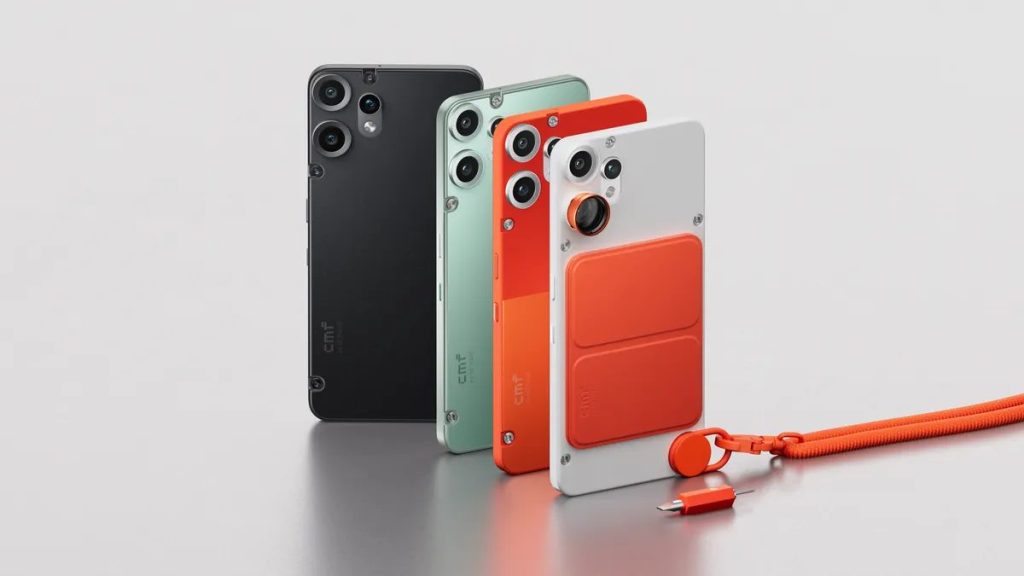
CMF has confirmed that it will not launch a successor to the CMF Phone 2 Pro in 2026. According to Nothing co-founder Akis Evangelidis, rising memory prices have made it difficult for the company to build a phone that fits CMF’s value-focused philosophy.
This may sound disappointing because the smartphone market has conditioned consumers to expect a new model every year. When a company skips a generation, it naturally raises questions about its future plans and competitiveness.
However, if you look at what is happening across the smartphone industry, CMF’s decision starts making a lot of sense.
The biggest challenge facing smartphone brands today is manufacturing cost. Memory, storage, and chipsets have become significantly more expensive over the last few years. The growing demand for AI infrastructure has only added more pressure. Data centers, AI servers, and cloud providers are consuming enormous amounts of memory and computing resources, increasing demand across the industry.
I discussed this in detail in my earlier article, AI Is Driving Costs Up, But Are We Getting Enough Back? The same trend is affecting the smartphone industry as well.
The problem for smartphone brands is that consumers do not just expect a successor. They expect a better successor. More importantly, they expect it to remain within a similar price range. That is becoming increasingly difficult.
A few years ago, companies could launch a successor with a better processor, improved cameras, and more storage while keeping pricing reasonably close to the previous generation. Today, even maintaining similar hardware at the same price has become challenging.
This is one of the reasons we are seeing smartphones become more expensive across segments. In some cases, devices have even received multiple price hikes after launch because component costs increased beyond initial expectations.
At the same time, smartphone technology has matured. Displays are already excellent. Cameras are more than good enough for most users. Even mid-range processors can handle everyday tasks with ease. The improvements are still happening, but they are no longer as dramatic as they were several years ago.
The flagship market reflects this reality quite well. The Pixel 10a ended up being remarkably similar to the Pixel 9a. Samsung has also relied largely on the same camera hardware across multiple generations of its flagship Galaxy S series. Most improvements now come through software optimization, image processing, and AI features rather than major hardware breakthroughs.
This is not necessarily a criticism of smartphone brands. There is only so much innovation that can happen every year. Yet consumers, retailers, and investors continue expecting annual upgrades.
As a result, many brands are solving the problem in the most obvious way: moving products into higher price segments. The Redmi Note series is perhaps the best example. It built its reputation by offering excellent value in the budget and mid-range market. Today, some Redmi Note models have crossed the ₹40,000 mark. The same has happened with several other smartphone lineups, including the OnePlus Nord series. I explored this shift in the market trend in a previous article, How Redmi Note Series Moved From a Budget Phone to a Near-Premium Device.
This is exactly where CMF’s decision becomes interesting.
The company is not saying it cannot build another smartphone. It is saying that building a successor that feels like a genuine upgrade without pushing pricing beyond what CMF customers expect has become increasingly difficult.
That distinction matters.
CMF was created to serve the value-conscious mid-range market. If the next CMF phone ends up moving into a much higher price bracket because of rising component costs, it would no longer represent the same value proposition that helped the brand gain attention in the first place.
Many smartphone brands have already gone down that road. Products that started in one segment gradually moved upmarket with every generation until they were competing in an entirely different category.
Howver, CMF appears unwilling to do that. The company could have launched a successor with a higher price tag and justified it using rising component costs and upgraded specifications. Most brands would have done exactly that. Instead, it has chosen not to push the product into a higher segment simply to maintain an annual release cycle.
Of course, this approach carries risks. Skipping a smartphone launch means giving competitors more opportunities to attract buyers and stay in the spotlight. But there is also a long-term risk in abandoning the market segment that defines your brand.
Whether this ultimately proves to be the right business decision remains to be seen. But looking at rising manufacturing costs, increasing demand for memory and processing power across industries, and the gradual upward movement of smartphone pricing across the market, CMF’s decision feels less like a setback and more like a conscious attempt to protect its identity.
The smartphone industry does not need another phone that costs more than its predecessor simply because manufacturing has become more expensive. If CMF cannot build a successor that stays true to its original value-focused positioning, waiting for better market conditions may be the smarter choice.
Related Posts


