


AnTuTu has released its performance rankings for January, based on benchmark runs carried out in China during the month. As always, these scores are average results from real-world testing, not one-off peak numbers. The charts show impressive gains across categories, but also raise an important question. How much does this raw power actually matter to users?
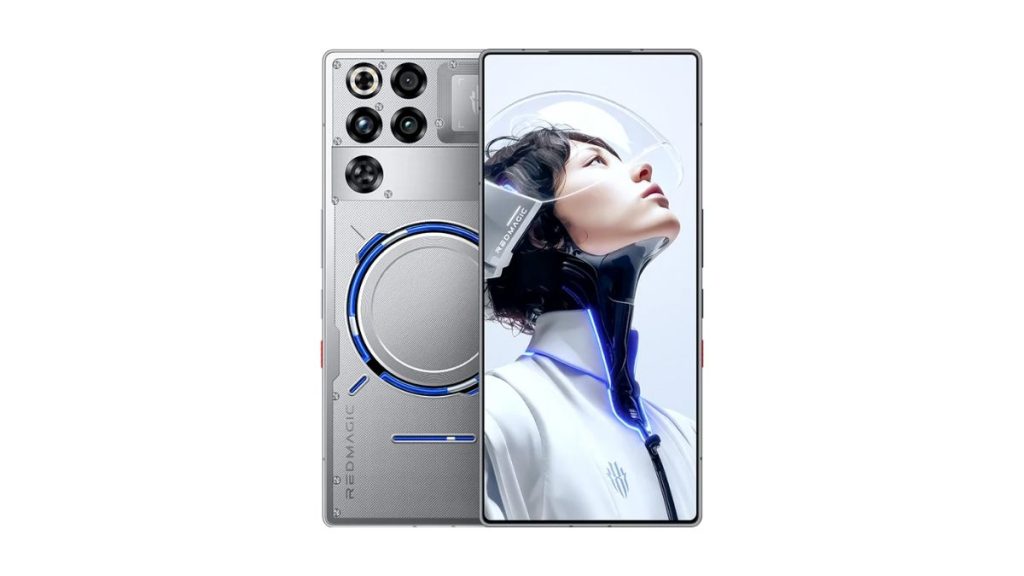
In the flagship smartphone category, the RedMagic 11 Pro+ is at the top with an average AnTuTu v11 score of 4,104,271. This is the highest among Android phones right now, and it is not surprising. The device is built with performance as the top priority, with aggressive cooling and gaming-focused tuning.

The top position of RedMagic 11 Pro+ won’t last long. The iQOO 15 Ultra just launched in China, and it could offer even higher benchmark numbers. iQOO has already claimed 4.51 million+ Antutu v11 score. Now it would be interesting to see how it turns out in real-world testing from consumers.
Second place in January went to the Satellite Communication Edition of the vivo X300 Pro. It is followed by the Realme GT 8 Pro, iQOO 15, Honor Magic8 Pro, Honor Win, Honor Magic8, OnePlus 15, Redmi K90 Pro Max, and the vivo X300. Now, the interesting thing is that 8 out of the top 10 phones are powered by Qualcomm’s Snapdragon 8 Elite Gen 5. Only two models use MediaTek’s Dimensity 9500.
This clearly shows that Qualcomm still dominates the ultra-premium Android space when it comes to raw performance. However, in daily use, most of these phones will feel equally fast. Beyond a point, the difference only shows up in heavy gaming, thermal stability, and long sessions, not basic tasks. Only users who pay attention to each detail would count of which is better.
In the mid-range category, the Honor Power 2 takes the top spot with an average score of 2,218,856. It is followed by the Oppo Reno15, Reno15 Pro, Reno14 Pro, iQOO Z10 Turbo, Redmi Turbo 4, Oppo Reno14, Redmi Note 12 Turbo, OnePlus Turbo 6V, and Redmi Note 15 Pro+.

Here, MediaTek completely dominates. The Dimensity 8 series chips occupy the first seven positions. The latest Dimensity 8500 leads the chart, although the performance jump over the 8400 is not very large. The bigger improvement came earlier, between the 8300 and 8400 generations. Qualcomm continues to struggle in this segment, with Snapdragon-powered devices appearing only in the lower half of the list.
Consumers now get better mid-range devices that are powerful enough for gaming, multitasking, and long-term use.
These rankings show that Android performance has reached a mature stage. Flagships are fighting for the top spot with extreme scores and mid-range phones are more powerful than ever. Benchmarks still matter, but for most users, factors like cooling, software optimization, battery life, and pricing will make a bigger difference than a few hundred thousand points on AnTuTu.
Related Posts


