
The Centre has taken a strong new step in its digital security plan. Smartphone makers have been asked to ship all new devices with the Sanchar Saathi app preinstalled. Phones already in use will receive the app through a software update in the coming months. Brands have been given three months to follow the new rule.
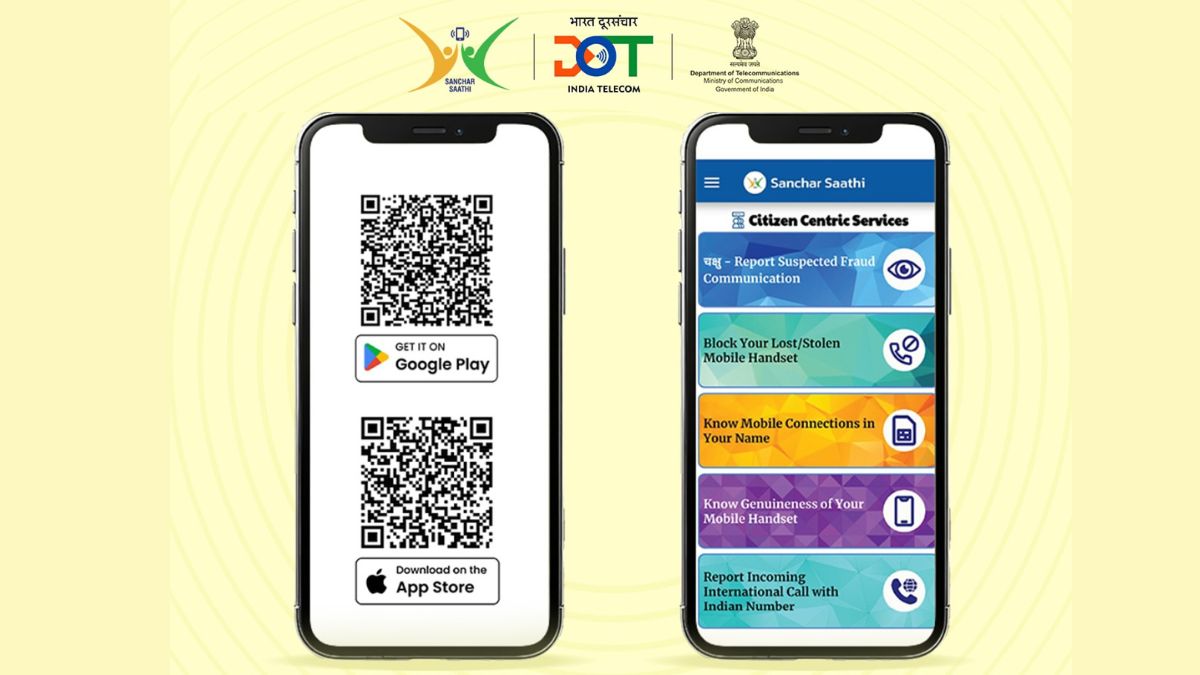
Sanchar Saathi has been around for less than a year, but it has already become an important tool for tracking and blocking stolen phones. The app uses a phone’s IMEI number to help users secure their device anywhere in India. The government says the app has helped block lakhs of stolen phones and has also helped police trace devices that enter the grey market. It can also report suspicious calls, SMS messages, and unwanted WhatsApp numbers. In simple terms, it is designed to protect users from fraud and identity misuse at a time when digital scams are rising at a fast pace.
This new directive is part of a larger strategy. The government recently asked messaging apps like WhatsApp and Telegram to use SIM binding. This means these apps will only work when the same SIM used during registration is present in the device. It is meant to stop anonymous misuse and spoofing, but it will also change how people use these apps across multiple devices. Features like WhatsApp Web may become less smooth because the service will now log out more frequently.
The bigger question is how smartphone makers will respond. Apple has always been strict about preinstalled third-party apps and normally does not allow anything outside its own ecosystem. Samsung, Xiaomi, and other Android brands will also need to adjust their software builds. Industry insiders already expect pushback because global companies have to follow international privacy and security standards. A government-mandated app complicates that process.
For users, the impact of Sanchar Saathi will not be the same for everyone. On the positive side, the app actually solves real issues that people face every day. When someone loses a phone in India, it becomes a stressful situation. A missing phone means losing access to banking apps, digital IDs, saved documents, and important OTPs. Being able to block or trace the device within minutes can save users from financial loss. The option to report fraud calls and suspicious numbers will also help reduce the constant spam that many people receive.
But there is another side that cannot be ignored. People do not like mandatory apps on their phones, especially when they are not sure how the data will be handled. Users want clear information about what the app collects, where it is stored, and who has access to it. This becomes more important because many government apps in India have not been designed with strong engineering standards. When an app is built without proper security checks, it can create serious risks. A small vulnerability is enough to expose sensitive details of millions of people. So the concern is not only about government tracking. The bigger worry is what happens if the app has weak security or if someone manages to break into its system.
In my view, the idea behind Sanchar Saathi sounds good on paper, but trust is the real issue. People in India do not have much confidence in government-made apps, and that is understandable. Past digital tools were pushed with big promises but ended up with slow updates, bugs, and confusing interfaces. If Sanchar Saathi becomes mandatory, the concerns only get stronger. Users should not be forced to keep an app they do not want, and there must be a clear option to uninstall or disable it. The government also needs to publish detailed guidelines on data storage, access rights, and long-term safety. Without transparent rules and independent audits, users will assume their personal data is at risk. Unless these problems are fixed, Sanchar Saathi may create more worry than trust and could end up as another system people accept only because they have no choice.
Over the next few months, we will see how brands adjust their software and how users react to the new rules. What is clear is that India is moving toward a tighter, more controlled digital environment. Whether users view this change as protection or restriction will depend entirely on how transparent and user-friendly the next steps are.